November rewards the person with patience, but punishes the oh-so-certain hunter. Remember, that buck that traveled during the day yesterday, will disappear in an instant once that temperature dips, or when hunting pressure increases or when does move to a new location. Take time to observe and monitor the activity of the deer on your property, and develop a plan for each stand that will allow you to reach it undetected. Use the sign as you would changing evidence – observe and make sound decisions based on what you can determine. Start with Daylight Movement, Not the Calendar
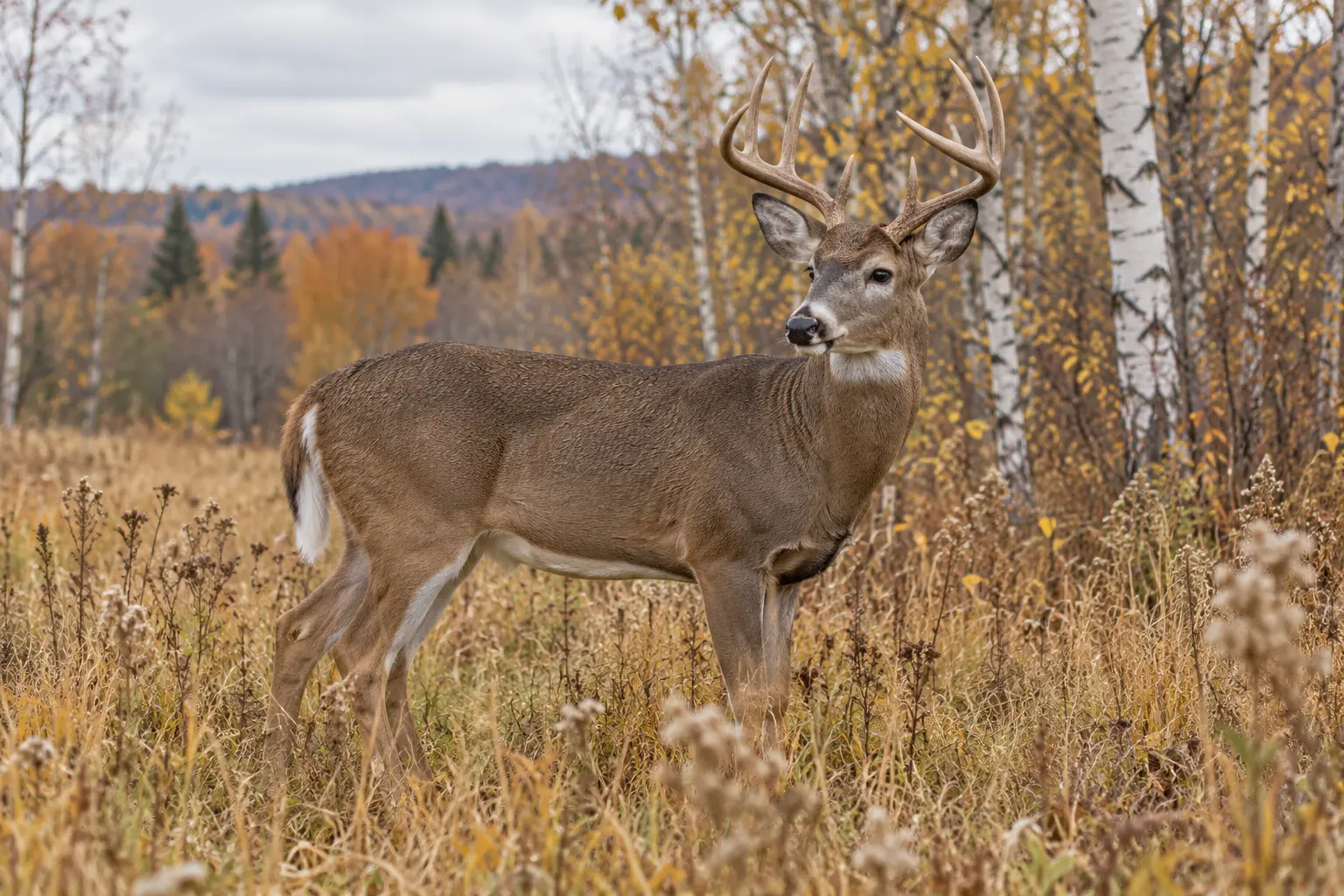
Daylight movement of white-tailed deer can occur at anytime during the day depending on a number of factors including food, cover, temperature, wind and the location of receptive does. While some locations have deer moving well before sunrise, others have them exposing themselves during legal shooting hours when a doe group shifts through the cover. Still other locations have bucks traveling through the area in the late evening before returning to their beds.
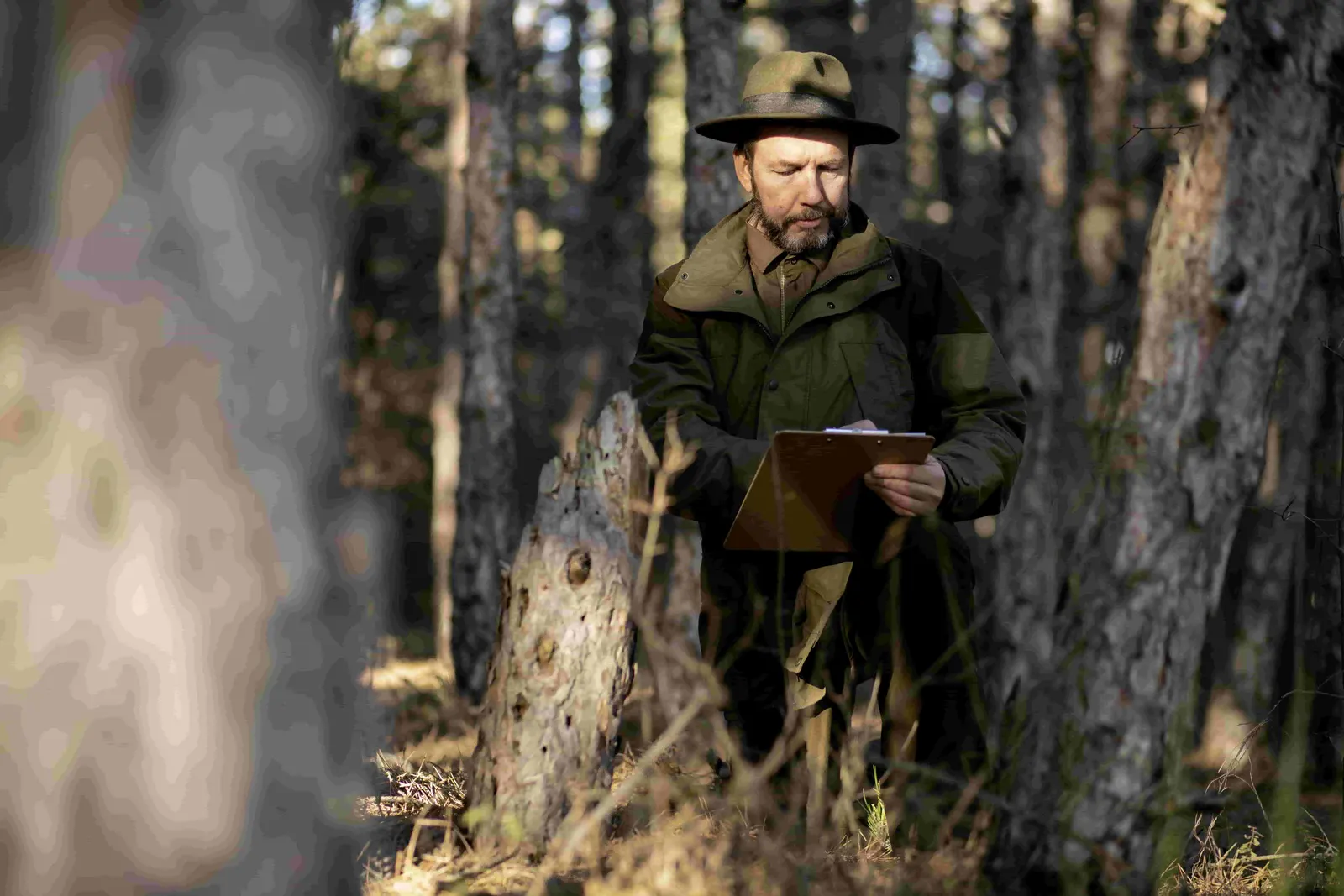
Tracking daylight movement of deer means recording all observations of deer. Look for repeated observations rather than a single observation. One buck crossing a field edge does not a pattern make. Note time of day, wind direction, temperature, cover near by, and number of other deer present. Keeping a simple log of all observations helps to see whether or not movement is related to certain wind directions, or if activity ceases after several hunters have entered the same access route.
Hunt differently. If it is against your best interest to be quiet while hiking to your stand do not hunt that daytime site. If the wind is blowing in a way that is against you then you have not chosen the best location for early morning hunting. What Scrapes and Rubs Can Actually Tell You
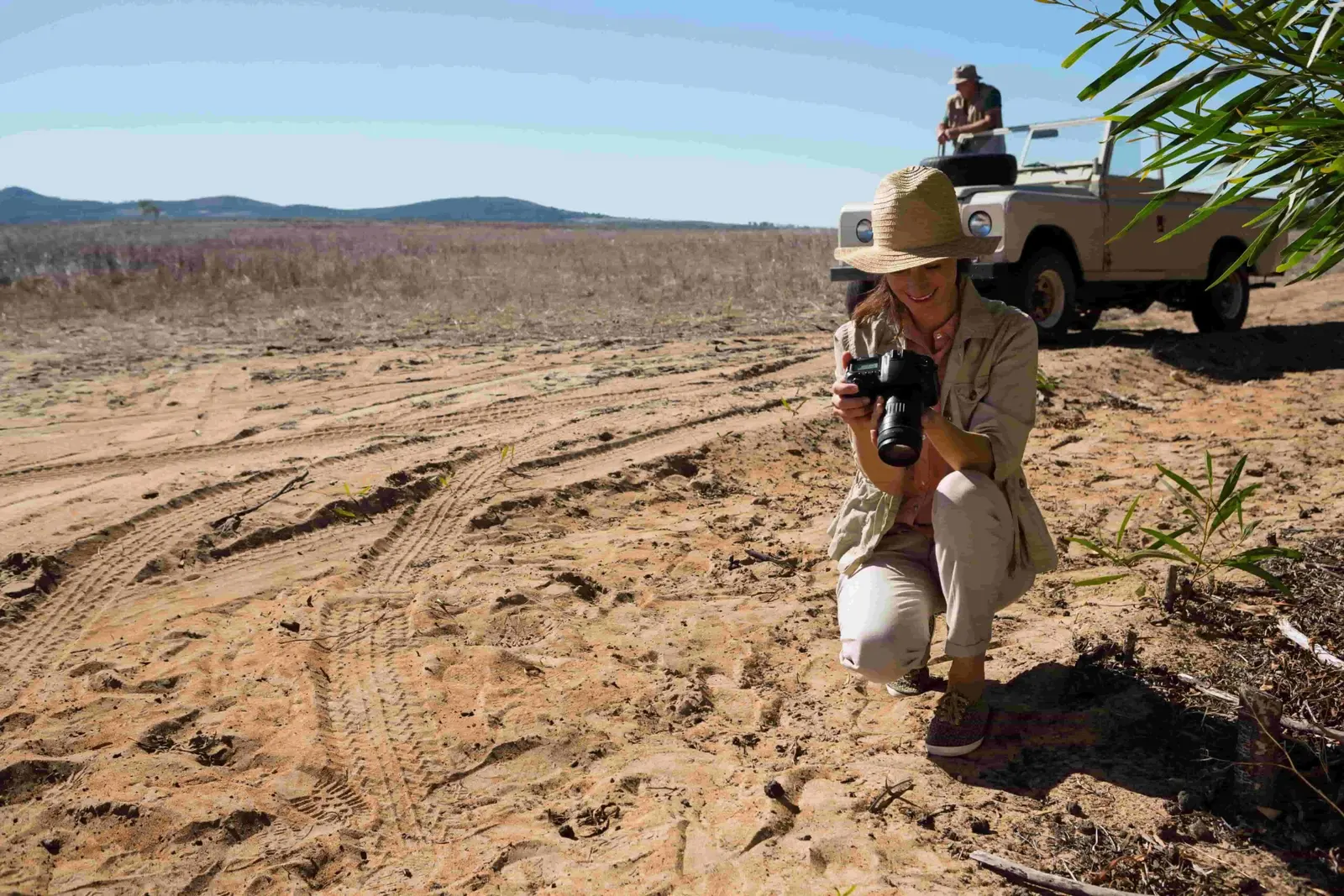
Even though scrapes and rubs are signs of where a buck has spent energy, they are of no value as to a schedule of times. A fresh rub can indicate a travel corridor or a staging area. Also, they can indicate a boundary between two areas of cover. A line of scrapes may connect areas where a buck feeds with areas where it beds. Large communal scrapes are visited by many deer.
Freshness of sign is a highly variable element of nature and even on consecutive days can change markedly. Thus, turned-up soil in a scrape must be compared with similar signs of recent use elsewhere in the area, such as sharp hoof prints in soft earth, fresh damp spots on leaves, etc. Older signs are often disturbed by deer activity, so a large rub does not necessarily mean that the area is the best to set up in.
Also, remember to distinguish between sign and access. Even though a scrape under an overhanging branch is perfect for deer to use a scrape such as this, a stand set up in such a spot can be ruined by human scent. Often, the very best trails and edge routes can not be used for stands because they are downwind of the trail or the stand would interfere with deer travel along the route. In such cases, often the best location for a stand is off to the side of the trail or at the end of the trail or edge, near the exit from the property. Chasing Phases Change the Shape of a Hunt
The area will see more active movement during the seeking phase of the chases when the bucks are trying to find and service receptive does. The rubs and scrapes will be more scattered and found in areas of good cover. The best sign will still relate to the cover and the observed deer activity on the property.
Bucks often cross into an opening during the chasing phase of the rut, when they are traveling in search of a receptive doe. Also, does may be traveling in a group and cross an area in front of one or more hunters. This activity can occur at any time of day and often is not predictable. A hunter that is expecting constant movement during the rut may leave his stand too early, or be moving from stand to stand too frequently. He also runs the risk of taking less than ideal shots at deer.
Bucks can apparently forget old scrapes when the breeding activity picks up. The scrape that was so very active a week ago or even a few days ago might remain untouched now. This is the time when a buck can focus entirely on does and thus be found in their company. Look for fresh does' tracks, bed sites and trails as well as frequent does' sightings in the same general area of mature trees, fields and edges. Doe Concentration Can Matter More Than Buck Sign
Because deer breed under the control of does, areas where does are concentrated become extremely active areas for bucks. Look for places where does are securely bedded, where they are eating, moving through cover, and traveling between various locations. Areas where does frequently travel between locations to feed, bedding, and water, are particularly active.
However, a good doe bedding area is oft ruined by the hunter's entry and exit through the very center of the bedding area. Therefore, do not make the false assumption that the very center of high doe use is the very best spot. Look to the downwind edges, to staging areas adjacent to bedding areas, and to travel routes between said areas. All of these can provide superior hunting than the very center of high activity.
Different doe groups react differently to pressure. Furthermore, in different habitats, does behave in different ways. Often, they are out in the woods by early morning in a food-haven and return to their bedding area late in the afternoon. The locations where you have seen does recently are the places to set up. But, be aware that several other deer stands may have been set up in the same area. Let Weather Adjust the Plan, Not Replace It
Use weather signs in relation to rest of evidence from field. Deer can move as a result of a drop in temperature but some weather signs such as strong wind can keep deer in dense cover. Also some weather signs can make a deer stand to be unsafe. Recall that wet weather can affect deer trails and result in deer feeding in places with heavy cover. Deer hunting in wet weather can be very tough.
The only factor a wildlife enthusiast can control in the weather is whether he or she will hunt or not. Instead of heading out to hunt poor stand locations, use weather to your advantage by selecting between good stand locations.
Just before your deer hunt make sure to check for current local season rules, legal shooting hours, tagging requirements, weapon restrictions, and required amounts of blaze-orange for heads, bellies and back sides. As with most everything involved in hunting all of this information can change from year to year. Make sure to check with the official wildlife agency for the state in which you hunt for the most current information.
Responsible hunting in the rutting season means avoiding a shot at deer that have not been identified correctly and having a plan for recovering a deer that has been shot before it runs off. Your deer hunting will always be best when you hunt in a disciplined and respectful manner. The best read on a deer's behavior during the rutting season comes from paying close attention to what is currently happening in the woods in front of you.