Some very simple things will result in a Spring bear bait site to fail. That is because the person who set up the bait has solved the biggest problem of finding where to hunt but failed at access, wind, other wildlife and all the legal issues of putting bait out for bears. The above suggestions will help to make planning and setting up a bear bait site as a small field project. Each point can be tested against current rules and by-site conditions (for animal activity, etc.) as you go. Start with the current rulebook
Know the season dates, required licenses, allowed methods of take, established setback distances from attractants, established limits of bait, required tagging and reporting, and means of legal transport for harvested bear as well as what may be used for bait prior to setting up a bait site for hunting. Information regarding the regulations for use of bait for hunting of black bears can vary from state to state and even from year to year for public lands and between public and private lands. Verify the most current information from the wildlife agency's web site and other official sources as well as from land managers where applicable. Do not rely on maps from previous years, hearsay, or permits from past hunting seasons.
Record the requirements for the location of the bait site itself (e.g. the way in which the bait is to be stored, how visible the site is from roads and trails, how close it is to buildings and water etc.). Read the regulations carefully and if in doubt ask the relevant agency before putting out bait. Do not risk a conviction for a convenient location.
Land access needs the same amount of planning and consideration as the bait site itself. For a private property site, get formal permission from landowner and discuss issues such as gates, where to park vehicles, where to harvest firewood for bait, existence of stock, nearby neighbors, and other users of the property. Public land requires familiarization with any access restrictions as well as specific conditions that may affect travel to and around the site. Choose a site that works for people and bears
The best bear bait site is not necessarily the farthest location from other humans. A location with sufficient bear activity must also enable safe and convenient access to and from the site every time the hunter visits the location. Indeed, he or she should be able to easily and repetitively travel to and from the location without having to cross near the bait location each time he or she visits the site.
Wind takes on a special importance as you consider a location for your bear bait site. What seems like a perfect setup on a calm afternoon can turn into a less than desirable setup as evening air movements kick in. Look for locations that are down wind and design your approach so that you travel down wind as well. A slight change in elevation, a side hill approach or a concealed route can make all the difference in the world.
Stay far enough from recreation, hunters, and wildlife to avoid disturbing them. Consider proximity to camps, RVs, fishermen, horseback riders, dogs, hikers, etc. Do not locate near high-traffic Use Areas or locations that may disturb people. Be respectful of private property rights. Build a useful bear bait site
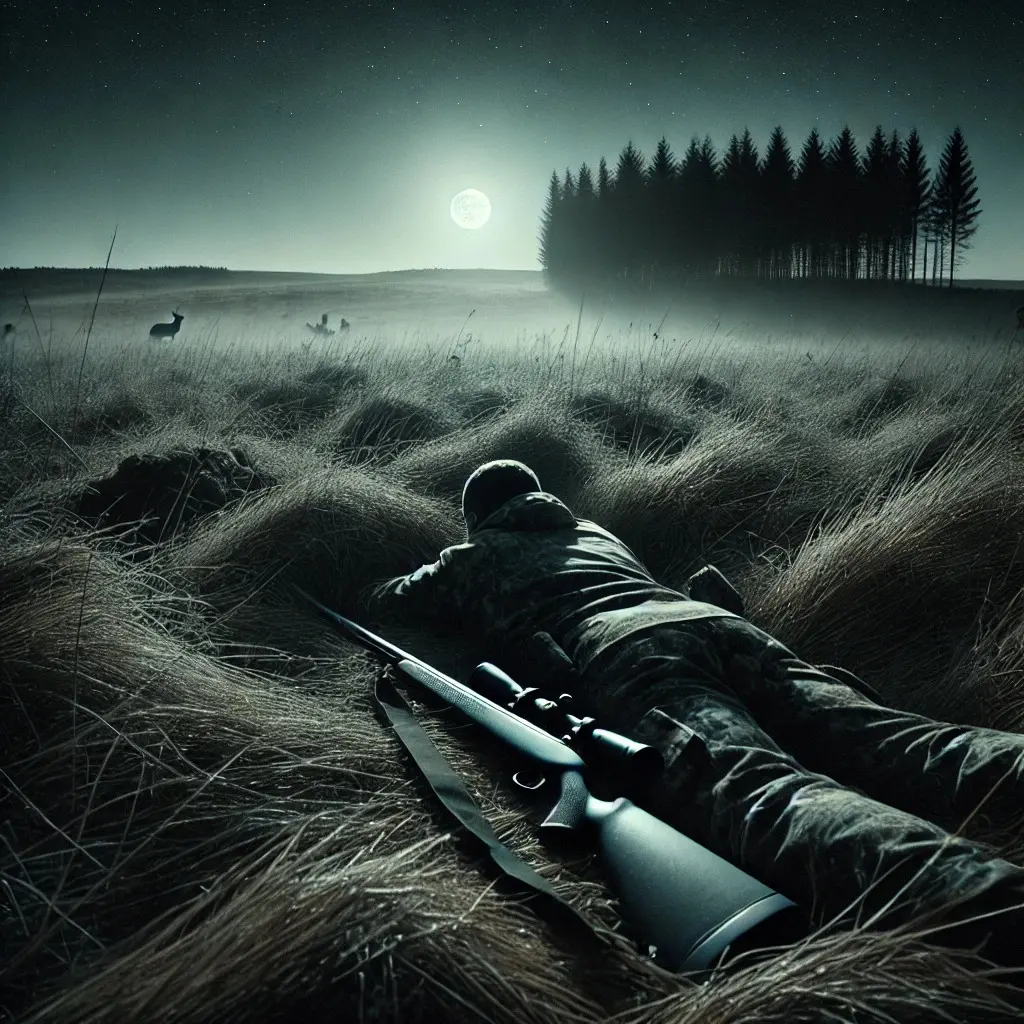
Be sure to set up your bear bait site in such a way that you can view the area from a distance and that you will have a good shot at the bear from your perch. Your bear bait site should also be safe to approach and be simple to inspect from time to time to check for bears and other wildlife that may be frequenting the site. In some jurisdictions there are rules governing the type of elevated stand or ground blind that can be used at bear bait sites. Equipment that is left at the site for the duration of the season must also comply with current regulations.
The use of a camera should only be allowed at locations where they are permitted. Position the camera to answer a specific question about the location (i.e. are bears using the location, what time of day are they using the location, are multiple bears using the location, are other species using the location as well as people and/or dogs). Constant monitoring of cameras can defeat the purpose of having a quiet site for observation.
Remember that there are many laws regarding the type and amount of bait you can use as well as how it is to be stored prior to use and after the season. The location of your bait should also not pose a problem to people and pets in general. Write down the dates you go out to re-supply your bait as well as take and share notes and observations with others. Manage scent without chasing perfection
Scent control on a bait site is easy to implement and maintain. Remove all unnecessary items from the bait site area, and store all clothing, packs, tree stands, cameras, etc. in the same area that you will be storing them for the remainder of the season. Also, try to keep all vehicle use for accessing the bait site away from the actual site itself.
Scent Spray vs. Bears: Although there are an abundance of scented products available to hunters, they can't compensate for poor site selection and access to the site. Keep in mind that a disciplined hunter will have fewer days of hunting but will have a much more positive experience and have more valuable information regarding the animal or animals that occupy the area.
Just because one is silent does not mean that one is secret. The sound of a door closing, of a strap falling, of a piece of metal hitting the ground, or of brush being knocked over can easily travel long distances and announce one's approach. Thus, a quiet hunter is a safe hunter. And if for some reason one must leave a bait site in less than ideal circumstances, then so be it. Account for other animals and handle the site safely
Birds and other small game may visit the bait as frequently as bears in some cases and can consume a lot of bait as well as triggering a photo take on your bear camera. Other animals like deer, dogs (domestic and wild), coyotes, and even livestock may be frequent visitors and must be taken into account when determining whether or not to keep a site.
Don't approach a bait site carelessly when a bear may be present. Announce your approach to the site. Be sure to keep other people and their dogs under your control. Unnecessary visits to retrieve lost bait, tools, etc. only create more problems. When transporting and storing bait, be sure to do so in a secure fashion. Dispose of all containers, tools, etc. left at the site in a manner to not create problems after the season.
Whether you harvest a bear or not, after the season food at the site can attract many other unwanted animals. If you do plan to harvest a bear, remember that in addition to the regulations on hunting bears with bait, there are many rules and regulations concerning tagging, reporting, transporting, and storing meat. As with all hunting, make sure you have a good backstop and positively identify what you are shooting at. If you can't get a clean shot, don't shoot. The purpose of a bait site is to increase your success at preparing to hunt bears, not decrease your standards for when you do go. Let observation earn the next decision
Just because it is quiet and there are no animals visiting does not mean you should pick up and move the site. There are many reasons for no activity including the incorrect approach, wrong time of day, wrong weather, wrong human scents. Wait it out and find the reason(s) and take corrective action not just pick up and move the site.
Finally, remember that patience is not forever. Even a good location can cease to be a good location. Sites that once held great promise can be closed due to increased human access, changed wind patterns, an increase in conflict animals, or changes in hunting regulations. Be willing to write off a site and close it down in a responsible manner as necessary. Just as the success of a hunting operation is not to be measured by the number of opportunities to hunt, so too a bear hunter must measure the success of his or her bear bait sites by the manner in which he or she leaves the ground.