The hunter and guide are solving two different problems. The hunter wants to have a good time, watch some nature, and hopefully shoot something. The guide wants to read enough sign to get his hunter on animal before he runs out of time or the weather turns. The best way to ensure that a responsible Ontario hunt takes place is to prepare for the hunt before you arrive at camp, and then have enough patience to allow the conditions, the legal requirements for hunting, and your fieldcraft to work for you. Read the boreal forest before choosing a stand
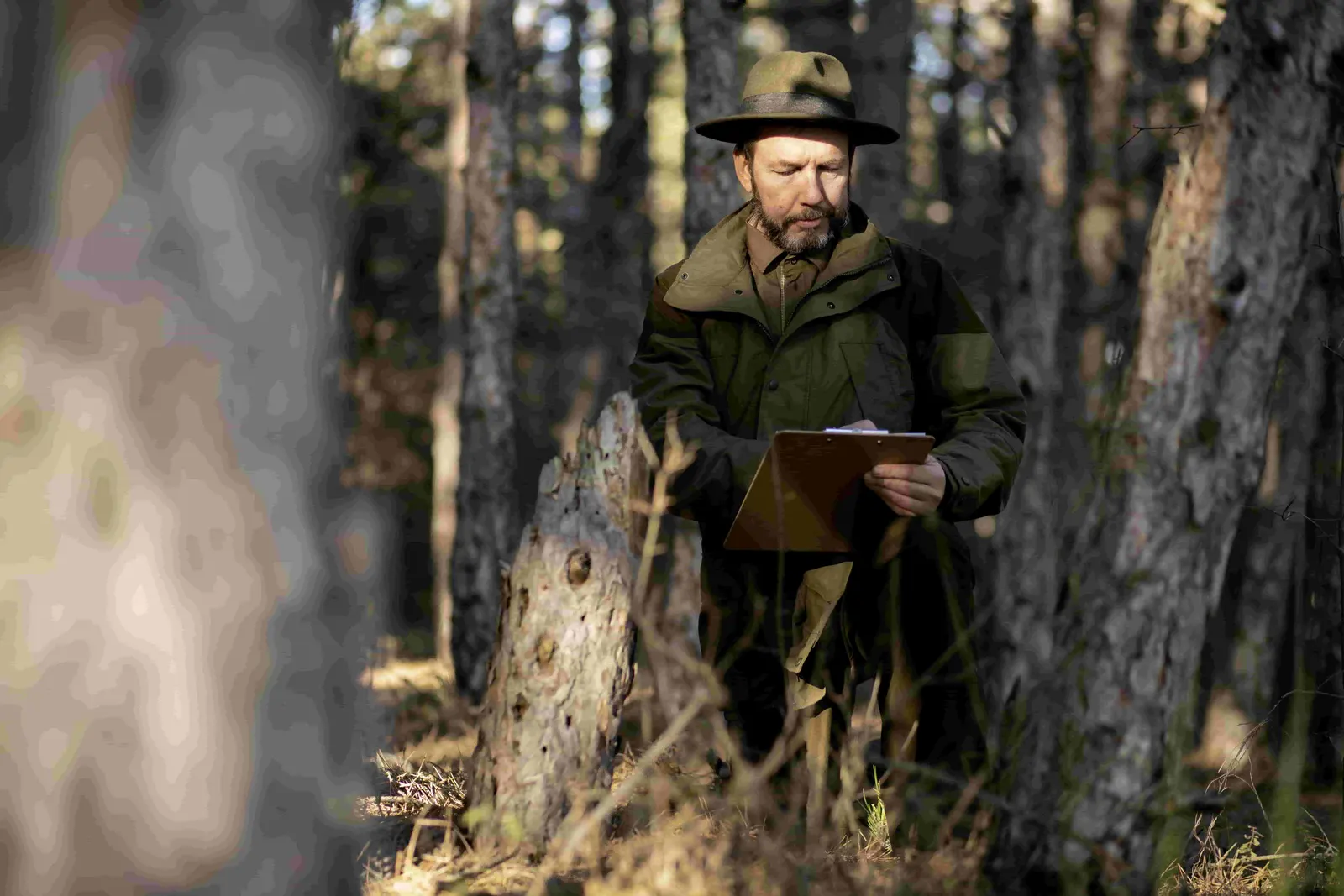
The boreal forest of Ontario is not one large hunting ground but rather many different hunting grounds. Low lying wet areas, rock outcroppings, stands of spruce and mixed stands of various ages as well as cutovers and old roads can all be found in close proximity to each other. Each of these features will affect how an animal travels through the forest as well as how a hunter can quietly make his way into a site to hunt.
Ask the guide where other locations in the surrounding area would be for hunting. Ask how the wind is going to effect approach and shooting from the stand. Ask where else you can go if that stand does not produce. What natural travel corridors are near the location? How will different weather conditions affect your approach and shooting from the stand?
The weather: Rain and soft ground may make hunting easier but wet conditions can mean a change in the animal's travel route. A shift in wind can also make a set-up that was previously working well to be no good at all. The warm weather of spring may see animals moving about during the day in search of food and the availability of food sources can change from day to day. Build a bait-site plan around access and restraint
While baiting can be a productive method for bringing in animals for the hunter to shoot, it must be done in a legal and safe manner. How often will the site be checked? What route will be taken to and from the site? What will lead the guide and hunter to leave the site or to cease all activity at the site?
The hunter's position, the animal's likely approach, and a safe background to hunt from all must be considered when selecting a bait-site and creating a site-plan. Some degree of uncertainty is always present when waiting for wild animals to travel to a bait-site. A good site-plan allows for such unknowns by positioning the hunter for optimal shot-opportunities should an animal arrive at any time.
A site with close access to a camp or a road might make for an easy hunting location but will bring more human disturbance to a bait-site. A site far from a camp or road might make for a very natural hunting experience but may require a long travel to the site, more rigid rules to the hunter's gear and more attention to the guide's and hunter's physical fatigue. Ask the guide what he gains and what he gives up with such a choice. Treat patience as part of the equipment
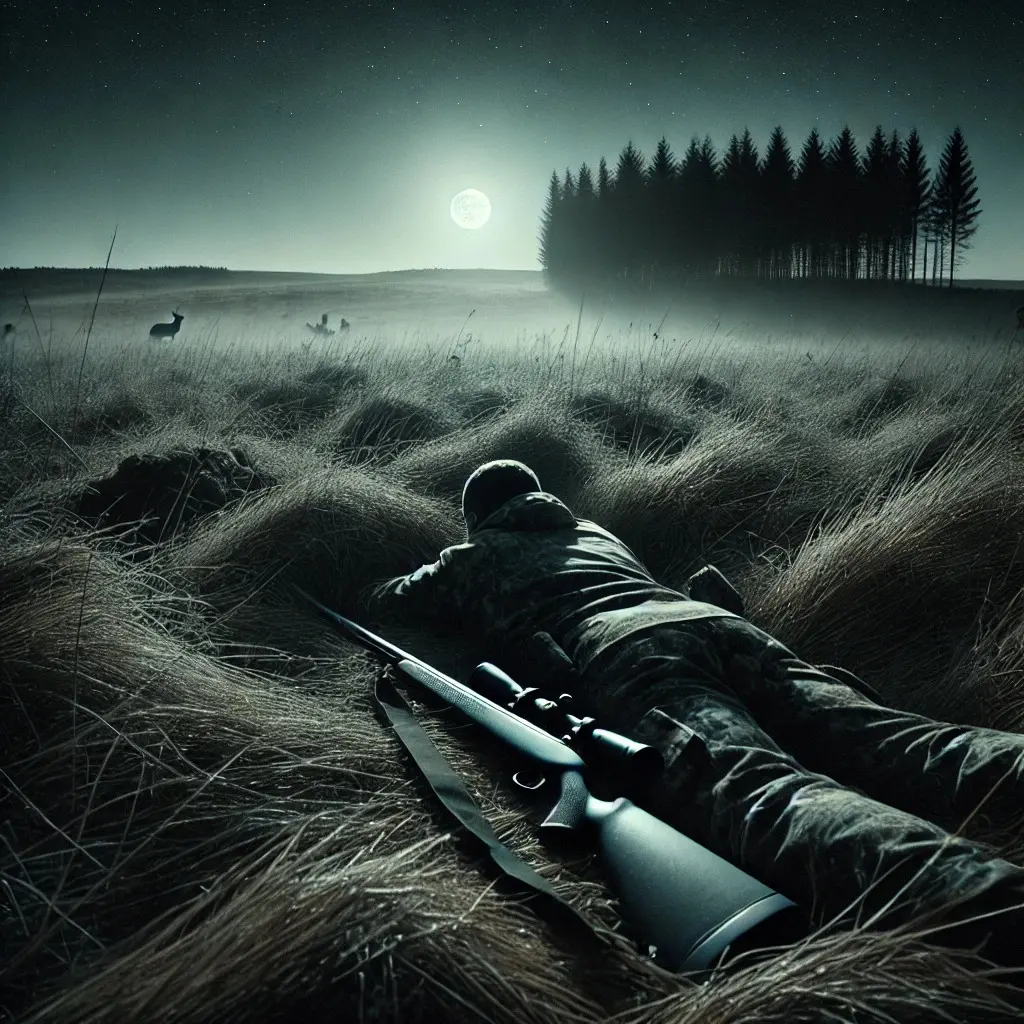
The other challenge of the guided bear hunt is waiting for hours in a stand for little to no action. Keep busy by checking gear from time to time, eating and drinking and other quiet pastimes to avoid fidgeting. Being silent for long periods of time can be tiring but keep in mind that even slight movements could scare off a bear coming into your area.
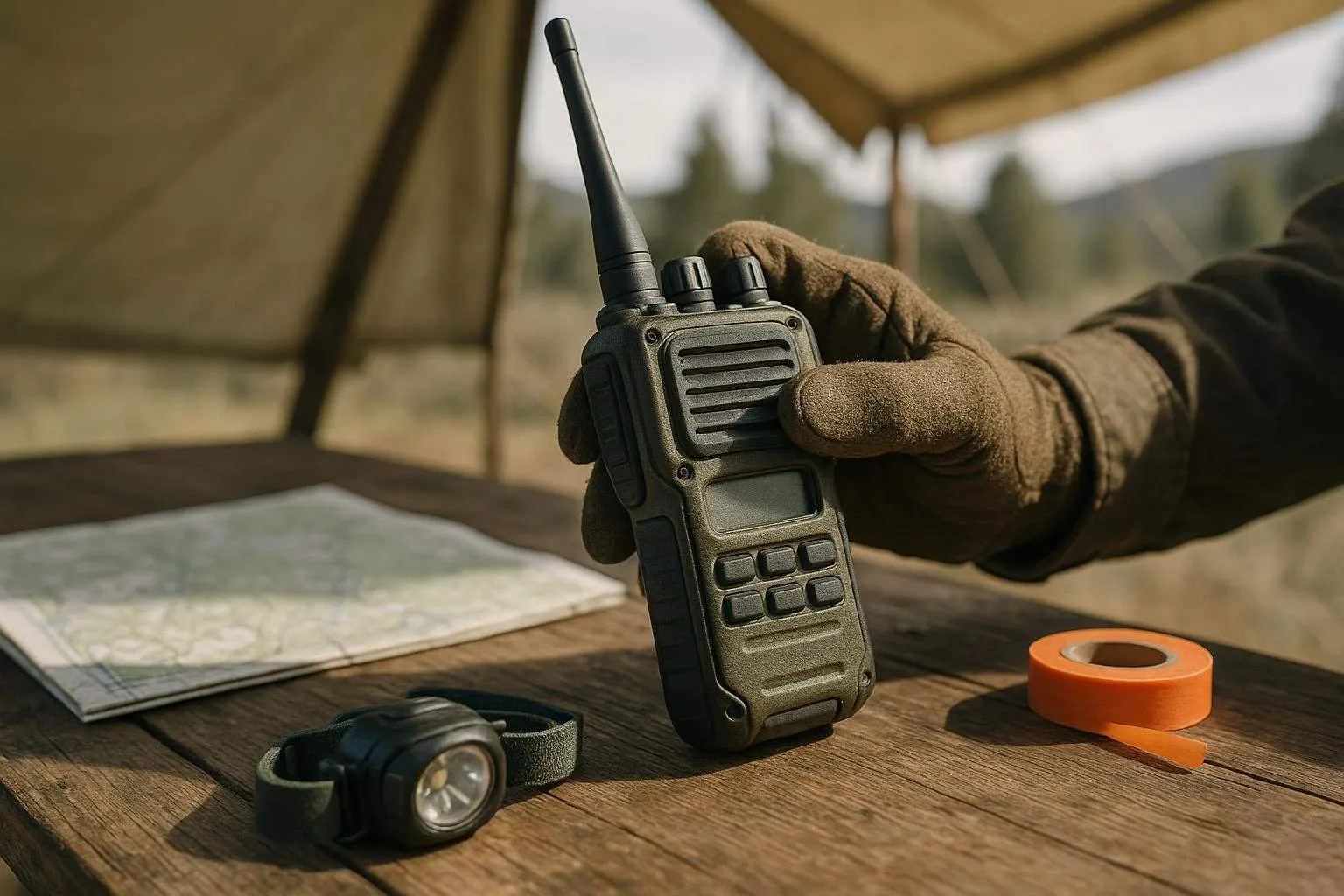
Before you leave, dress warmly in layers, bring rain gear, water, non-perishable food (which you can open silently), and any prescription medications you may need. Make sure your equipment is simple to operate in the dark, and that your guide explains the sequence of events for your hunt, as well as all of the ways you can communicate with him while you are in the stand.
Waiting does not have to mean boredom. The guide should set out what you can expect to do during waiting periods. He or she will also indicate what you should do if you become cold, ill, tired etc. Be aware that waiting does not necessarily mean missing out on an opportunity for a shot. Sometimes it is better to wait and allow the animal to come to you rather than take a less-than-ideal shot. Make guide communication specific
Before you head out make sure to clearly outline the roles for each portion of the guided hunt. Who set up the bait site? Who checked for necessary permits? Who created the map for the areas to be hunted? Who will be used for identification of wildlife? Who will lead the retrieval of the animal after it has been taken? Clearly outline how you will communicate with each other prior to arrival at the camp and be very clear on the manner in which you will ask questions while in the blind.
Be honest about your experience. Just because you can shoot well at a certain distance, does not mean you are familiar with shooting from an elevated stand, while dressed in layers, and attempting to identify an animal through the trees. The hunter can set up the stand and explain the conditions under which it is best. Embarrassment should never cause someone to have to ask a question that they feel others will perceive as dumb.
This same approach should also be taken in the field. Report any unusual signs of bear, damaged gear, illness, etc. A professional guide and guide service can adapt to change at a moment's notice. Remember the end goal of a quality guided hunt is a clean and controlled harvest of game. Not completion of some itinerary. Keep safety and rules ahead of the result
Safety of the bear first starts with proper identification, safe muzzle control and clear shot opportunity. As hunter you will be expected to follow the guide's direction for loading/unloading, movement to and from the stand as well as overall access to the stand. This means no climbing up/down the stand while wearing a pack or while distracted. Every shot opportunity will have a clear and safe background and proper bear identification prior to taking the shot.
Food and scented items must be stored in accordance with the site's rules and regulations. A proper supply of fire, motorsports, and camping gear must be brought and used in accordance with site rules. Let fellow hunters know of your departure and return. Appropriate footwear and elevated visibility must be worn when required by the surrounding environment and the site's rules.
Understand that Ontario Hunting regulations and licensing requirements change frequently. Understand what the current Provincial Law is before heading out and have your Guide outline the Hunting Regulations that apply to you as a Hunter for that specific hunt.
Finally, recognize that a responsible result of a bear hunt is more than catching and killing a bear. A true and successful hunt includes adequate preparation for the hunt, lawful behavior throughout the hunt, a safe means of retrieving the animal, treating the bear with respect once it has been harvested, and having the honest integrity to end the hunt should it not be producing any results. Such behavior and integrity makes for a very quality and memorable hunt that can be taken back home and shared with family and friends.