When it comes to New Mexico elk hunting, there is more to it than choosing a season and packing a rifle and headed out into the country. Good hunting plans take into account the big picture of the hunting landscape, the time of year, the physical demands of the country, and the level of support the hunter can expect to need. And the best decisions are made before you leave for your hunt. That means deciding between a guided or unguided hunt, asking the right questions of your guide or outfitter, preparing for high elevation, and determining what makes a good shot before you pull the trigger. Read the Country Before Choosing the Hunt
Most hunting units contain more than one type of country. There are desert canyon units with long sight lines, and cobbled up country with lots of uneven travel between small areas of open space. There are units with lots of timber and rimrock. Drainage canyons can have very narrow areas of travel between steep sides. What looks like an easy hunt on paper can quickly become a grueling experience of long days of travel through rugged country.
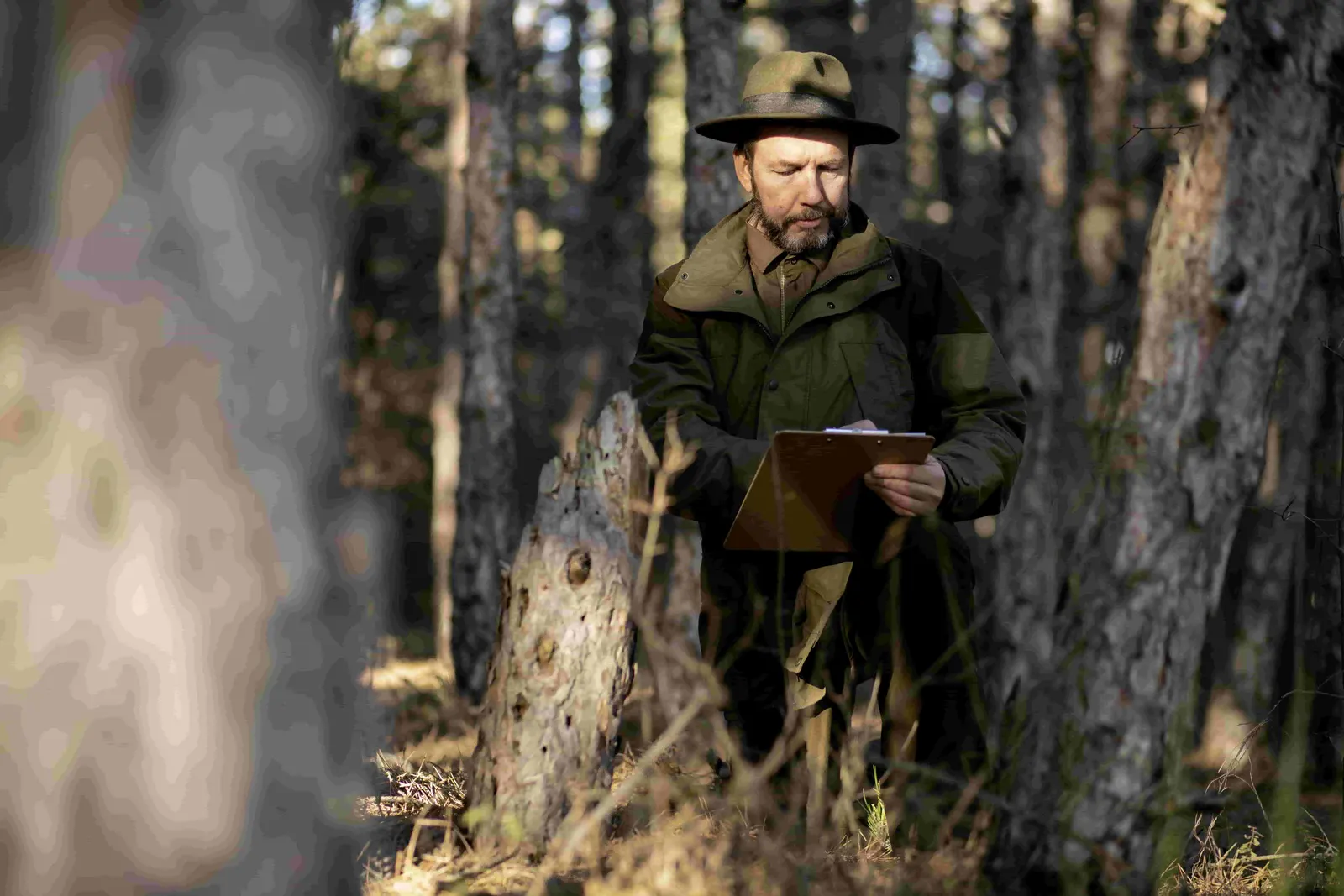
Rather than choosing a state, choose the type of country and the type of experience that you feel best suits your skills and experience. While a self-guided hunt provides great flexibility and allows you to hunt as much as you want to, all hunts still require a great deal of work and preparation to scout, navigate, organize and respond to changing conditions. A guided hunt can provide a great experience for the first-time hunter, for someone with limited time to hunt or for someone who wants to hire a guide to read the country and make the tough decisions for you.
Don't confuse landscape with hunt. Sure the New Mexico Canyon Country or mountains look like a wonderful place to hunt. But how much of that country is real for you and how long will you be able to safely and patiently hunt it? Why September Timing Shapes the Approach
Late September, cool nights, warm days, lots of animal movement, and in New Mexico variable daily activity, make for a unique hunting experience. Note that details on hunting seasons (start and end dates), methods of take (firearms), licenses, hunting unit(s), and general harvest rules, etc. can vary greatly from year to year. Prior year information, articles and documents from years past, and even hunting information from other States are not good substitutes for current year information from the proper New Mexico wildlife agency.
While the cool mornings can feel good, remember to plan for the warm afternoons. The ability to move effectively and stay hydrated throughout the long days will be paramount. Although Dehydration and Fatigue can affect anyone, the dry air of the New Mexico high desert can have especially adverse effects on hunters who fail to pack in sufficient water for their elevation changes.
Ask a prospective guide or outfitter how he expects the weather and animal movement to influence his itinerary for the day, how much time he will spend glassing versus traveling, and how he will get you back to camp in a timely manner. Better to have a long conversation about all the ins and outs of a successful hunt and what to expect than to be given a well-rehearsed sales pitch and expect the same in the field. Look for detail and be wary of guides who promise you anything other than a challenging and rewarding hunt. Make Glassing a Skill, Not a Pause
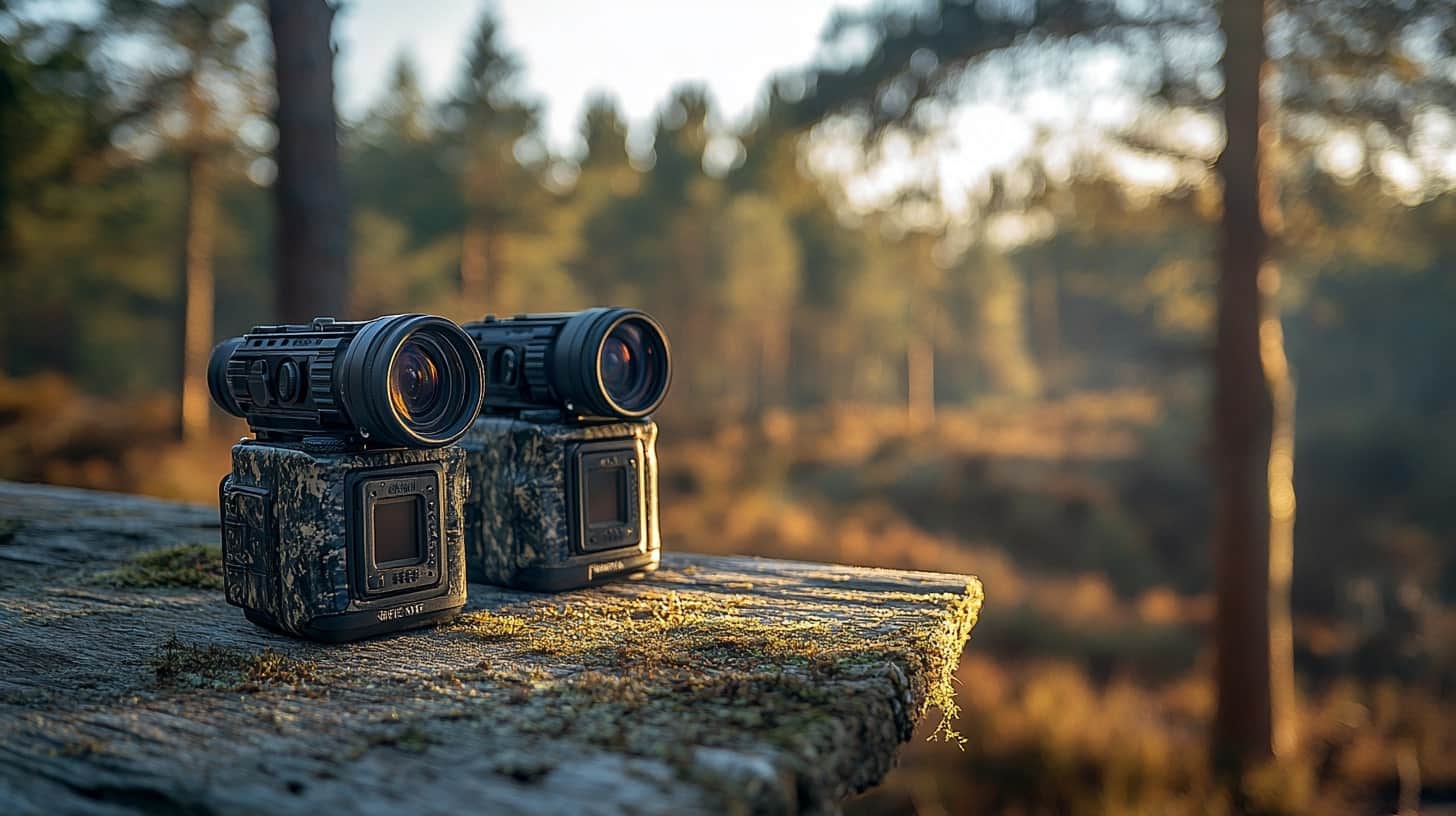
In open country with scattered cover of trees and brush, much of a hunter's time will be spent scanning with his or her binoculars. To be of any use, however, this glassing needs to be done in a manner that allows the hunter to see what he or she is looking at and to penetrate the uneven topography to distinguish between animals and shifting shadows of trees and rocks.
Try to practice uneven, healy, rocky-type terrain while searching for small, partially hidden objects at varying distances. Get a good "rest" position for your optics and become familiar with how the light changes throughout the day. A tripod can be very useful but will depend on the type of equipment you have, the terrain you are hunting and how you will be carrying it.
When you do finally come upon an elk, you have to determine whether or not you can harvest it given the time of day, wind direction, distance, shot angle, potential for losing blood, etc. There are plenty of scenarios in which it would be best to let the animal wander off rather than have to cut across country at dusk. Prepare for Elevation and Repeated Effort
Physical preparation for a hunt should be as realistic as possible. Going for a long stroll on relatively even ground does not replicate the demands of climbing up and down the elevation change between basins, of packing a large heavy pack, of stopping to glass for long periods and then returning to hiking. Work out consistently with uneven terrain, up hill work and with time for recovery between sessions.
Be sure to test out your gear prior to your hunt to make sure that it is going to work for you while in the field. Try to break in your hiking boots prior to your hunt. Test out your different layers in different temperatures to see what will work best for you in different conditions. Take your different pieces of gear for a test run to make sure that they will work for you while in the field and to find out about any problems that there may be before you arrive at camp.
Most importantly, understand that fitness is not a last minute endeavor. You cannot wait until a few months prior to hunting season to start in on physical preparations for your upcoming hunt. Fitness cannot guarantee a comfortable hunt, but not striving for physical readiness will certainly limit your opportunities while in the field. Keep the Shot Decision Deliberate
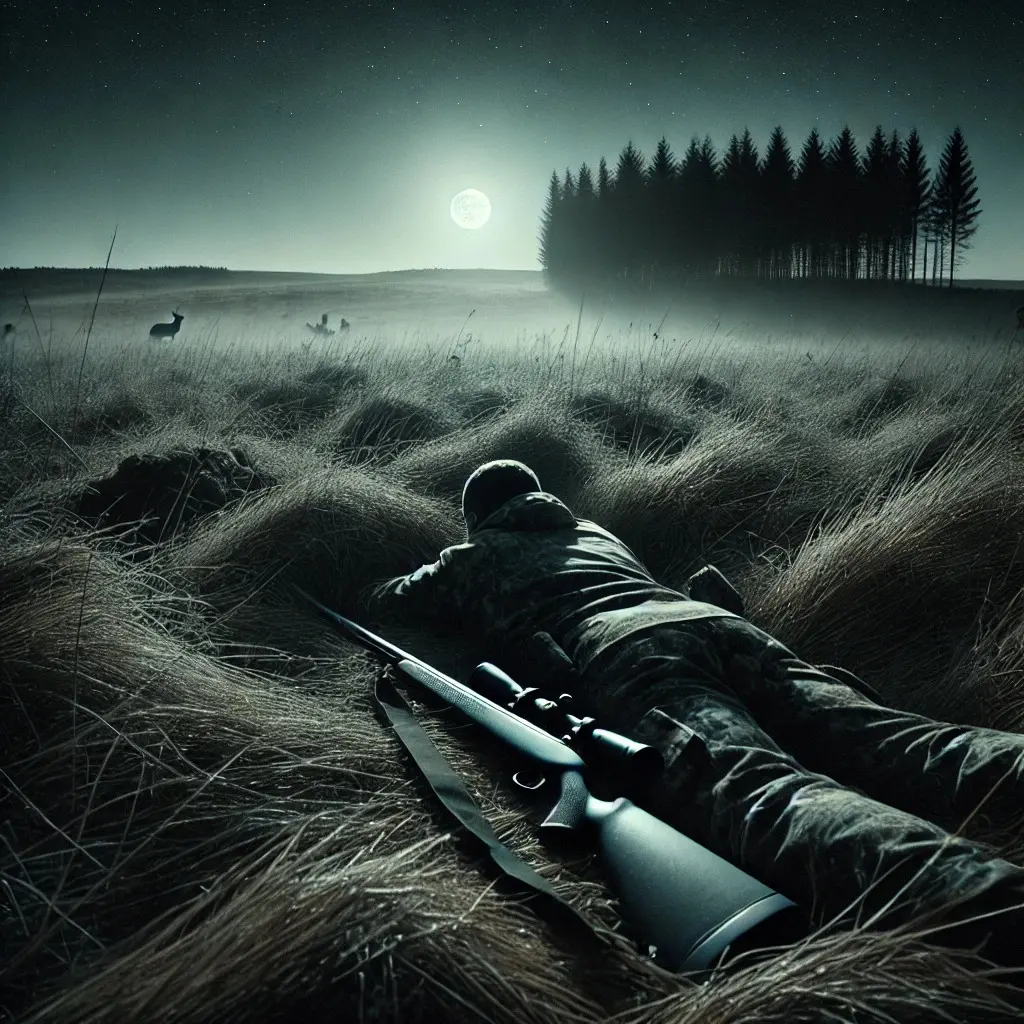
For many qualities of hunting, preparation equals possibility. Shot discipline, however, is where preparation equals responsibility. Before the season, be sure to establish clear conditions which would make a visible elk a shootable animal: positive identification, stable shot position, safe backstop, legal opportunity to take the animal, and ability to make the shot at the distance you anticipate. Don't confuse visible with shootable!
Remember that terrain can create misleading angles and backstops, and understand how wind, light and other factors could affect your perception of an elk's distance and position. Remember that even with a guide, you are ultimately responsible for shooting at animals that you can confidently and lawfully harvest. Discuss with your guide ahead of time what constitutes a shootable animal, and be willing to pass up an opportunity for a better one later.
It is also important to note how you will recover an animal after it has been harvested. Recovery needs to be done in accordance with all State and Federal rules and regulations. Furthermore, recovering an animal in a timely manner and handling it with care and respect is key to being an ethical hunter.
New Mexico is a state that rewards the well-prepared hunter. If you will choose the right type of hunt, travel to the right location and hook up with a good guide or outfitter then your hunt will be a safe and memorable experience. Always find out the latest information on the season before you head out and never be afraid to ask for more information. This way you can ensure that you have made the best possible choice for you and that you will be able to handle whatever the country throws at you.