 By Donny Hughes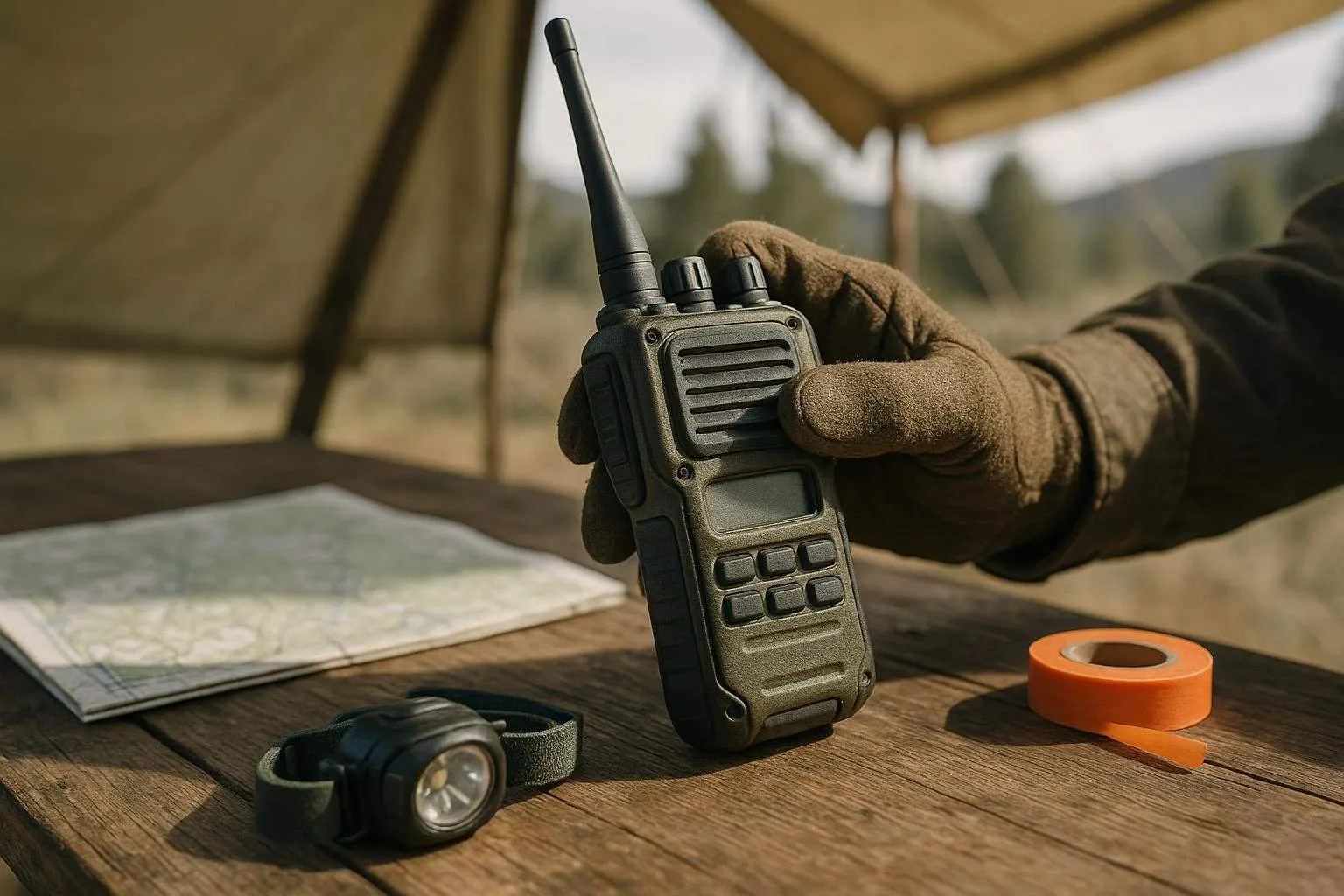
Preparing for Recovery: A Important Talk Before the Hunt
Before you go on a hunt there is a talk that should happen about what to do if a game animal is shot but not found away. Even though it might feel like a subject talking about it can help make sure everyone agrees on what to do when things get hard when its not easy to see or when emotions are high. Setting rules, about how shots to take, how to talk to each other what to look for first and how to change the way you search because of the law or keeping nature safe can prevent a lot of problems later.
Setting the Limits for Shooting
It's important to make decisions based on reasons not just feeling sure. Talk to your guide about the things that would make a chance not good enough to take a shot. Talk about the land how clear it is, where you are shooting from the weather and how the animal is acting. Each of these can change how good your shot is. Even if you are standing still and know the distance don't forget about bushes, paths to get back or being close to others who are hunting.
Being clear is important. Of saying something like "I will be careful " be specific: "I will only shoot if I can see the animal clearly and there is something behind it that will stop the bullet." Think about what to do if the animal turns, hides behind plants or goes past the limits you agreed on. Being honest about not wanting to take an dangerous shot helps your guide know how to help you find the safest chance.
Creating Simple Ways to Talk
Before you leave the car or camp agree on words and signs for messages: "stop," "I'm not ready " and "I can't see the animal." These can stop misunderstandings in hard places like across deep areas or during bad weather.
Decide what to do right after you take a shot. Who will mark where the animal was last seen? Who will stay still? Know when its okay to move and when it might be bad for tracking. This is not for fun; it depends on the animal you are hunting where you're the rules you are following. Your guide should explain these details for your hunt, not general advice.
Don't Try to Recover
It's easy to feel like you have to follow a blood trail or go into places by yourself if your group is in a hurry. If the animal is not in view remember the place you saw it and explain what you saw clearly. A slow and careful way is often the best and the safest.
Know the Rules in Your Area
Rules can be very different depending on where you're what animal you are hunting what time of year it. How you are hunting. Before you go check the rules with the wildlife group. Make sure you know how these rules affect tagging, reporting, getting the animal carrying it and having it. Just because you remember a rule from time doesn't mean it works now.
Watch out for any rules that might stop you from finding the animal. Some places might not allow looking for it at night using a car or going across lines. Ask if the shot is allowed and if everything else you do after is okay with the rules.
Keep all the papers you need safe but easy to find and pick someone to handle any reports or calls. Check these rules not when you leave but again if things change while you are hunting. If you get advice talk about it before you go on.
Get the Right Gear, Not Fast Gear
When you get ready for your hunt choose things that help you make choices. Depending on your hunt and the rules there this might include lights for night searches bags that keep maps and permits dry tools to talk with things to mark the path extra batteries and a small first aid kit, each with an use.
Don't use gear to push yourself into choices. A better light doesn't make a search any safer. A map app won't replace knowing the rules about where you can go. Test your communication tools before you go and keep the things close in case the weather gets bad.
Final Things to Check Before You Go
Before you start:
– Make sure you know your shooting limits and the signs you will use to talk.
– Decide who will stay still who will look for the animal and when the group will rest.
– Check that all permits and tags are there and that everyone knows what they need to report.
– Look at your lights your way to talk your maps and your first aid things carefully.
– Talk about what to do if the signs are weak the sun is going down. You go past the lines.
Know When to Stop
A part of being a hunter is knowing when to stop. It's natural to want to find an animal. You have to think about safety, the law harming the place you're in and making the animal hurt more. Talk to your guide about what signs might help you decide to keep going and what signs might make you stop to think
Be careful not to step on signs search much or go into areas that are not allowed just to save time. Follow the rules, about where you can go and leave the place clean as you can after you find the animal.
If you're not sure tell your guide clearly and honestly what happened so they can help and make sure you do what you need to report. Being accurate is important; it helps make the choices and keeps the hunting fair.
The best time to have these talks is long before you need to make a decision. Even though no plan can take away all the unknowns talking ahead can make things easier take some pressure off and help set up what comes next.